Business Simulations for Decision Making: The Complete Guide
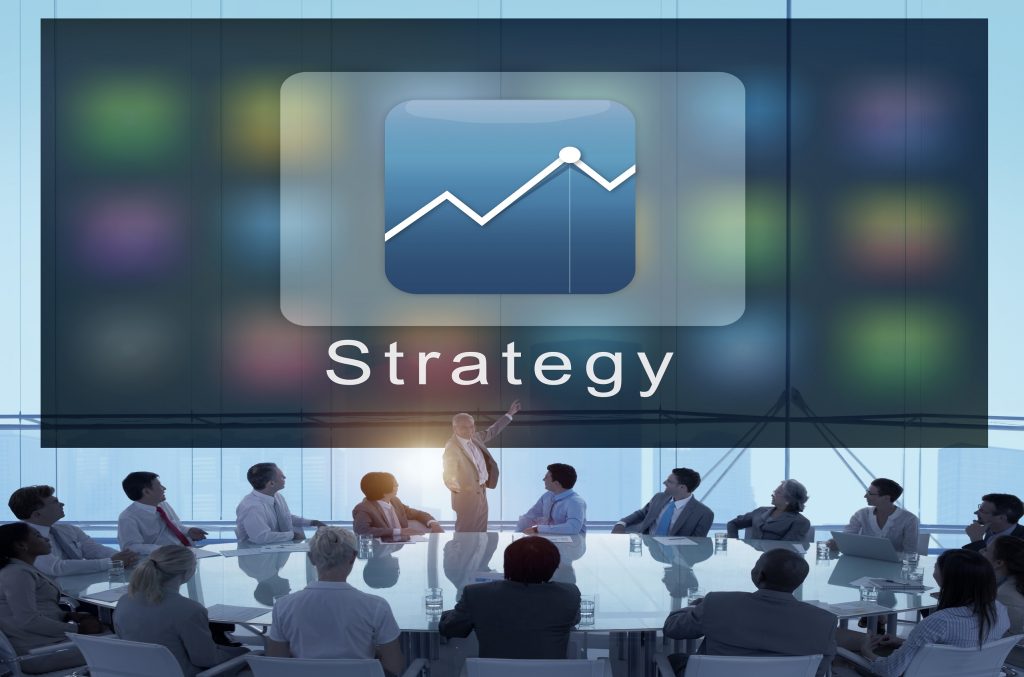
Business simulations for decision making give teams a realistic, risk-free way to practice strategy under pressure. By testing scenarios, analyzing trade-offs, and seeing measurable outcomes, organizations build strategic thinking, leadership confidence, and cross-functional alignment faster than with traditional training. This article is part of our Decision-Making Simulations series. Read the guide to strategic decision making simulations and learn how to improve decision-making skills with hands-on practice.
By engaging in simulation learning, employees can practice analyzing data, evaluating trade-offs, and collaborating across functions to achieve organizational goals. This approach enhances not only individual performance but also team effectiveness, making it easier to align decisions with long-term strategies. Furthermore, management training programs that integrate simulations provide leaders with an invaluable platform to test their strategies, refine their leadership style, and develop resilience in a safe and interactive environment.
What makes business simulations especially powerful is their ability to foster a culture of learning and adaptability. Organizations that invest in simulation-based training create a workforce that is more commercially aware, better prepared for uncertainty, and highly capable of making impactful strategic decisions. In this article, we will explore how business simulations for decision making transform corporate learning, sharpen analytical skills, and build the foundation for sustainable competitive advantage.
What Are Business Simulations for Decision Making and How Do They Work?
Business simulations for decision making are advanced training tools designed to replicate the challenges, pressures, and complexities of real-world business environments. They allow participants to step into the role of decision-makers—whether as managers, team leaders, or executives—and practice making choices that directly impact company performance. By experiencing the cause-and-effect relationships between their decisions and business outcomes, employees build stronger decision-making skills and gain deeper commercial awareness.
At their core, these simulations are powered by scenario-based models and dynamic algorithms that respond to user choices. Participants might be asked to allocate budgets, launch marketing campaigns, adjust production schedules, or manage human resources. Every choice has measurable consequences on profitability, market share, and organizational resilience. This process makes simulation learning far more impactful than theoretical training methods because it creates a safe but realistic environment for experimentation.
In addition to sharpening analytical thinking, business simulations promote strategic thinking by forcing participants to evaluate long-term implications, not just short-term gains. For instance, a team might see immediate profit from cutting training budgets, but simulations quickly reveal the long-term risks of reduced employee performance and higher turnover. These insights encourage leaders and teams to consider the “big picture” and develop sustainable strategies.
Moreover, when integrated into management training programs, simulations become powerful accelerators of leadership development. They provide opportunities for managers to test different leadership styles, navigate crises, and practice collaboration across departments. This experiential approach builds both confidence and adaptability—qualities that are essential for effective leadership in today’s uncertain business landscape.
Finally, simulation learning fosters cross-functional collaboration. By requiring teams from marketing, sales, operations, and HR to work together, business simulations highlight how interconnected decisions really are. This strengthens not only problem-solving abilities but also empathy and communication across departments, creating a more unified organizational culture.
On the other hand, business simulations come in many types—ranging from turn-based management games to real-time crisis of supply chain models. Choosing the right format depends on your organization’s goals, learning style, and decision-making context. For a guide to different simulation game types, browse Business Simulation Game Types: Which One Is Right For You?
How Business Simulations for Decision Making Help Overcome Challenges
In modern organizations, making the right decision under pressure is one of the most difficult tasks for leaders and employees alike. Ambiguity, time constraints, and competing priorities can easily lead to poor outcomes. This is where business simulations for decision making provide a critical advantage. By creating safe yet realistic environments, they allow participants to explore various scenarios and practice responses before applying them in the real world.
One of the biggest challenges in decision-making is uncertainty. Simulations address this by offering participants multiple potential outcomes for every choice they make. This strengthens decision-making skills by teaching employees to evaluate risks, analyze trade-offs, and anticipate long-term consequences. Instead of focusing solely on immediate results, participants learn to assess how today’s actions shape tomorrow’s performance.
Another common obstacle is the pressure of limited time. In real-world business, decisions often must be made quickly, with incomplete information. Simulations replicate these conditions by applying time limits and forcing participants to prioritize under pressure. This not only improves confidence but also develops sharper strategic thinking and the ability to remain calm during high-stakes situations.
From a management training perspective, simulations are invaluable in helping leaders handle complex problems. For example, managers can practice reallocating resources when unexpected crises hit or balancing the needs of different departments. These exercises build resilience and adaptability—two traits that are essential for effective leadership in today’s volatile markets.

Finally, simulation learning supports collaboration in overcoming decision-making challenges. By working in cross-functional teams, participants realize that no decision exists in isolation. A sales strategy affects operations; a hiring choice influences finance. Seeing these interconnections encourages teams to communicate more openly, reduce silos, and approach decisions with a broader perspective.
In essence, business simulations do more than train individuals—they transform how organizations approach decision-making as a whole. They turn challenges into opportunities for learning, ensuring that employees at every level become more strategic, more confident, and more aligned with the company’s long-term vision.
The Role of Business Simulations for Decision Making in Strategic Planning
Strategic planning is the backbone of organizational success, but in practice it often becomes a complex and uncertain process. Leaders must balance market dynamics, resource allocation, competitive pressures, and long-term vision—all while keeping day-to-day operations on track. This is where business simulations for decision making play a transformative role. By replicating real-world complexities, simulations allow leaders and teams to test strategies, measure outcomes, and refine their approach without exposing the organization to unnecessary risk.
One of the main strengths of simulations is their ability to translate abstract plans into tangible experiences. Participants can experiment with strategic choices, such as entering new markets or shifting investment priorities, and immediately see how those decisions impact profitability, cash flow, and organizational growth. This experiential approach strengthens decision-making skills by ensuring that leaders understand not just the numbers, but also the trade-offs behind them.
From a strategic thinking perspective, business simulations push participants to consider long-term implications. Instead of focusing only on quarterly results, they encourage reflection on how today’s strategies influence future competitiveness. This helps organizations avoid short-term fixes that may damage sustainability, and it trains employees to think beyond their immediate roles.
Simulations also act as powerful management training tools in strategic contexts. They prepare managers to navigate complex environments where multiple departments must align their goals. For example, a simulation might demonstrate how a sales-driven decision impacts production costs or how an HR policy affects retention and, in turn, profitability. By revealing these interdependencies, simulations enhance leaders’ ability to build cohesive, organization-wide strategies.
Additionally, simulation learning fosters collaboration by bringing diverse teams together. Strategic planning is rarely successful when conducted in silos, and simulations highlight this truth. Teams learn to appreciate each other’s perspectives, coordinate better, and make decisions that align with the company’s mission and values. This shift from isolated planning to integrated strategy is critical for long-term success.
Finally, business simulations serve as a low-risk laboratory for innovation. Companies can test bold ideas, model disruptive scenarios, or explore “what-if” situations that would be too costly or risky in reality. These exercises not only sharpen decision-making skills but also build a culture of experimentation and agility—qualities that define high-performing organizations in today’s fast-changing markets. simulations for decision-making provide organizations with a reliable way to anticipate challenges and stay competitive.
How Business Simulations for Decision Making Improve Leadership Skills
In today’s highly competitive environment, organizations demand managers who can combine technical expertise with leadership, adaptability, and sharp judgment. While traditional training methods focus on theory, they often fail to replicate the pressures and uncertainties of real leadership. This is why business simulations for decision making have emerged as one of the most effective methods to develop management skills. By placing managers in realistic, risk-free scenarios, simulations provide a safe space to practice leadership and decision-making in dynamic contexts.
One of the greatest advantages of simulations is that they cultivate decision-making skills under pressure. Managers face real-time challenges such as balancing budgets, allocating resources, or resolving team conflicts. Unlike classroom learning, which often stays abstract, simulations create urgency and demand immediate action—mirroring real corporate challenges. This experiential approach ensures that managers don’t just learn concepts but also apply them effectively in practice.
Simulations also enhance strategic thinking by showing how managerial choices cascade across departments. For instance, a decision made in marketing may affect production, supply chain efficiency, or even long-term customer satisfaction. By visualizing these cause-and-effect relationships, managers develop the ability to anticipate outcomes and align daily decisions with broader organizational goals. This makes them more capable of leading teams in complex, fast-changing environments.
From a management training perspective, business simulations are invaluable. They help managers strengthen core leadership competencies such as communication, delegation, and conflict resolution while also reinforcing financial acumen. In addition, managers gain exposure to multiple perspectives by rotating through different roles during a simulation, such as CFO, operations director, or HR manager. This holistic view deepens their understanding of organizational dynamics and improves cross-functional collaboration.
Another critical dimension is simulation learning in team-based environments. Business simulations often require managers to work with peers, negotiate trade-offs, and align diverse goals. This not only sharpens interpersonal skills but also teaches managers how to inspire teams, build trust, and maintain motivation under challenging circumstances. These experiences translate directly into better leadership in real-world situations.
Finally, simulations encourage self-reflection and long-term growth. Managers receive data-driven feedback on their decisions, allowing them to identify blind spots and recognize areas for improvement. Over time, this creates leaders who are more confident, adaptable, and capable of driving organizational performance. In essence, business simulations accelerate the leadership journey by compressing years of experience into immersive, practical exercises.derstanding of leadership responsibilities and prepare managers to navigate complexity with confidence.
Strengthening Strategic Thinking with Business Simulations
Strategic thinking is one of the most critical skills for business leaders today. It requires the ability to analyze complex environments, anticipate future challenges, and align decisions with long-term objectives. Yet many professionals struggle to strengthen this skill in traditional learning settings, where the focus is often theoretical and disconnected from real-world complexity. This is where business simulations for decision making provide a transformative advantage, creating immersive scenarios where strategic thinking is not only practiced but tested under pressure.
In these simulations, participants face realistic challenges such as market volatility, resource constraints, and shifting customer demands. They must make immediate decisions and evaluate the long-term consequences of their actions. This practical approach enhances decision-making skills by showing how short-term trade-offs can shape broader outcomes. For example, choosing to expand into a new market may boost sales but simultaneously strain operations or financial stability. Simulations highlight these dynamics and encourage leaders to think several steps ahead.
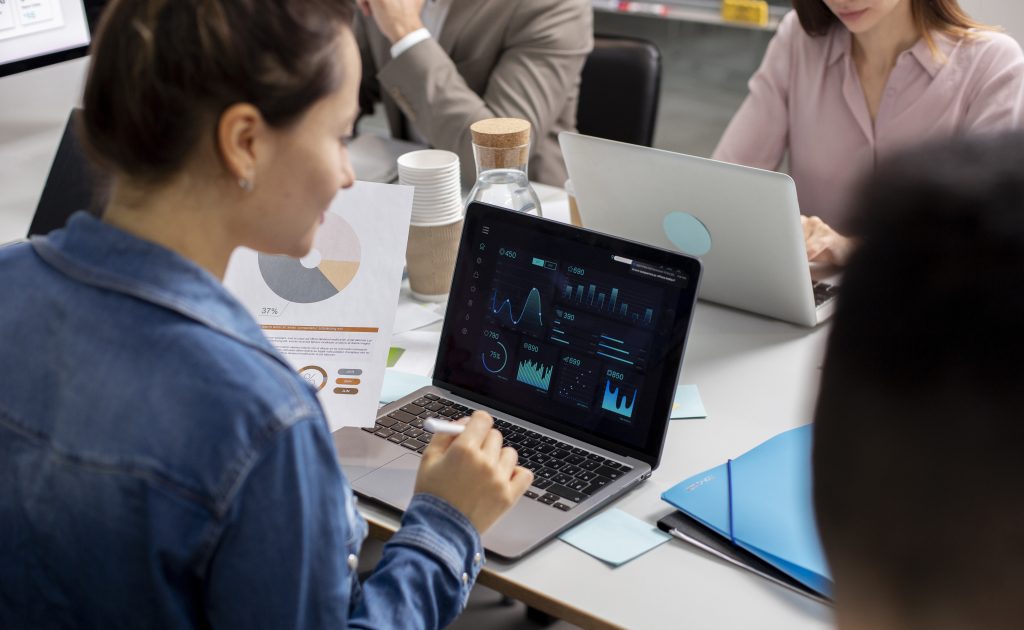
One of the strongest contributions of simulations is their ability to develop strategic thinking across departments. When managers and employees see how decisions in marketing, operations, or HR ripple through the entire organization, they begin to recognize the importance of interconnected thinking. This strengthens collaboration and fosters a culture where individuals consider not just their own tasks but the company’s overall trajectory.
From a management training perspective, strategic thinking is difficult to teach with lectures alone. However, simulations immerse participants in competitive environments where every move counts. They require careful scenario analysis, prioritization, and alignment with corporate strategy. By experimenting with different approaches in a safe environment, participants learn to anticipate risks, seize opportunities, and adapt to changing conditions—all hallmarks of strong strategic leaders.
Another benefit of simulation learning is that it allows participants to experience the tension between short-term results and long-term goals. For instance, investing heavily in marketing may yield immediate customer growth but reduce profitability if not paired with cost management. Through simulations, participants practice balancing these conflicting priorities and internalize the importance of sustainability in decision-making.
Beyond organizational benefits, simulations also strengthen individual leadership journeys. Participants gain confidence as they repeatedly apply and refine their strategic thinking skills in diverse contexts. Feedback loops built into simulations provide data-driven insights, helping leaders identify their strengths and address areas for improvement. Over time, this continuous cycle of practice and reflection produces leaders who can steer organizations toward resilience and sustainable growth.
In summary, business simulations for decision making create powerful environments where strategic thinking is not a theoretical concept but a lived experience. They enable leaders to build sharper judgment, align daily actions with corporate vision, and prepare for the uncertainties of a competitive marketplace.based learning see improved agility, stronger collaboration, and a workforce capable of adapting to constant change.
Advantages of Business Simulations in Decision-Making
In today’s fast-paced and unpredictable business world, decision-making often occurs under pressure, with limited information and competing priorities. Developing the ability to make accurate, timely, and strategic choices is one of the most valuable competencies for professionals at all levels. This is where business simulations for decision making demonstrate their unique strength, providing a safe yet realistic environment where individuals and teams can test their approaches, learn from outcomes, and sharpen their decision-making skills.
One of the most significant advantages of simulations is the ability to practice without real-world risk. Unlike actual business scenarios, where poor decisions can lead to costly consequences, simulations allow participants to experiment with different strategies and immediately see their impact. This reduces fear of failure and encourages innovation, helping individuals to push beyond conventional solutions.
Another key benefit lies in the improvement of strategic thinking. Participants must weigh short-term outcomes against long-term goals, learning to anticipate trade-offs and unintended consequences. For example, they may need to balance aggressive growth strategies with sustainable cost management. By confronting these challenges in a simulated environment, leaders develop the ability to craft more holistic and forward-looking strategies.
From a management training perspective, simulations deliver value that traditional workshops cannot. Realistic scenarios force participants to collaborate, negotiate, and make collective decisions under time pressure. This not only improves analytical skills but also strengthens communication, leadership, and cross-functional coordination. Teams quickly realize that effective decisions are rarely made in isolation; instead, they require input and alignment across the organization.
A further advantage is the role of simulation learning in enhancing data-driven decision-making. Simulations provide rich feedback loops, where participants receive detailed performance metrics and outcome analysis. These insights allow individuals to reflect on their actions, identify patterns, and refine their strategies for future challenges. Over time, this iterative learning process builds stronger intuition and more confident leaders.
Business simulations also create a mindset of adaptability and resilience. In rapidly changing environments, being able to pivot decisions based on new information is critical. Simulations replicate uncertainty—such as market volatility or competitive pressure—forcing participants to adjust strategies in real time. This helps organizations cultivate leaders who remain calm under pressure and respond effectively to unforeseen disruptions.
Finally, simulations reinforce the understanding that effective decision-making is both an art and a science. While data and analysis are essential, the human element—judgment, creativity, and collaboration—plays an equally important role. By experiencing this dynamic firsthand, participants become better equipped to balance logic with intuition in their professional roles.
In conclusion, business simulations for decision making are more than just training exercises. They are powerful tools that build decision-making skills, foster strategic thinking, and strengthen organizational performance. By practicing in safe yet challenging environments, leaders and employees alike gain the confidence and competence to make smarter, faster, and more impactful decisions in the real world.
Techniques for Effective and Fast Decision-Making with Business Simulations
In the modern business environment, leaders and professionals are expected to make decisions quickly and effectively, often with incomplete data and under significant pressure. Speed alone is not enough; decisions must also be aligned with long-term strategy and organizational goals. This is why business simulations for decision making are increasingly being used to train employees in high-stakes decision-making skills. They provide a unique platform where individuals can practice making fast yet informed choices in realistic scenarios.
One powerful technique developed through simulation learning is the ability to practice decision-making under time pressure. Business simulations replicate real-world deadlines where delays can lead to missed opportunities or financial losses. Participants must prioritize information, filter noise, and identify the most critical variables in order to act decisively. Over time, this practice reduces hesitation and strengthens confidence when similar situations arise in actual business contexts.

Another important technique is balancing risk and reward. In simulations, every choice—whether related to pricing, marketing, operations, or human resources—has consequences that ripple across the business model. Participants learn how to assess trade-offs, such as short-term profit versus long-term growth, or efficiency versus innovation. This helps employees and leaders sharpen their strategic thinking while still acting swiftly when opportunities or threats emerge.
Collaboration and teamwork also play a vital role in achieving effective and fast decision-making. Many simulations are designed for teams, requiring consensus under time constraints. This forces participants to listen actively, communicate clearly, and make compromises while still moving forward. In real organizations, this translates into stronger cross-functional collaboration, faster alignment, and reduced decision-making bottlenecks.
From a management training perspective, simulations reinforce the importance of structured decision-making frameworks. Instead of relying on intuition alone, participants practice applying models such as SWOT analysis, risk matrices, or scenario planning—condensed into shorter time frames. This structured approach helps them avoid reactive thinking and make quick but informed decisions that can withstand scrutiny.
Another advantage is the cultivation of resilience and adaptability. Fast decision-making often requires the ability to pivot when initial strategies fail or new information emerges. Simulations replicate sudden disruptions—such as supply chain issues, competitor moves, or regulatory changes—teaching participants how to adapt strategies without losing momentum. These lessons create leaders who remain calm, flexible, and focused in high-pressure environments.
Lastly, simulation learning enhances the ability to learn from both successes and failures. Because decisions in simulations are followed by immediate feedback, participants gain a deeper understanding of cause-and-effect relationships. They can identify which decisions accelerated success and which slowed progress, allowing them to refine their techniques for faster and more effective outcomes in the future.
In conclusion, business simulations for decision making are not only about practicing strategy in a safe environment—they are about mastering the techniques needed to act quickly and effectively in today’s competitive landscape. By strengthening decision-making skills, encouraging teamwork, and simulating real-world pressure, these tools prepare leaders and employees to make smart, timely, and impactful decisions that drive organizational success.
Further reading
Strategic decision making simulations — advanced scenarios, portfolio trade-offs, and governance under uncertainty.
Improve decision-making skills — hands-on practice, feedback loops, and measurable capability building.